
Noosa / Nostalgia

We’d come north at midday, getting our noses ahead of holiday traffic. The landmarks we passed as we went must become a litany when you travel back and forth along the highway, dodging speed cameras and averting your eyes to political billboards.
When you reach the coast, the road becomes skinny and sinuous. Her eyes turned to the waves; she muttered the surf report to herself. Frothy curls fell onto the shore, turquoise water chewing into an ochre beach.
The car wandered into the other lane. Only then did I glean some of the overflow of emotions, faintly hearing her heart pound like surf.
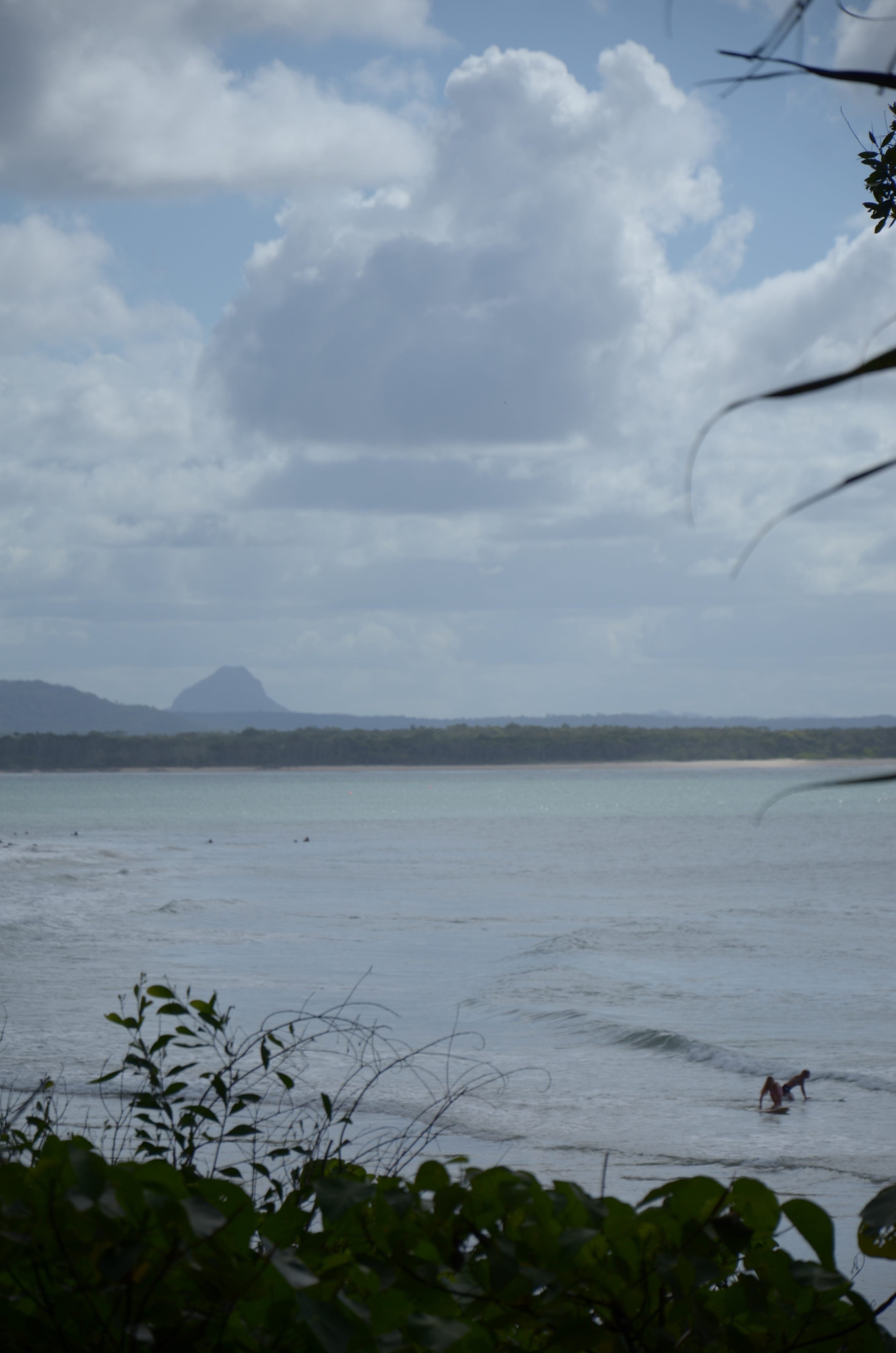
Clouds bloomed on the horizon. Lorikeets streaked into a fringe of casuarinas; those trees’ needles were like falling rain. Suddenly we were on the street of her childhood home. “Hasn’t changed,” she murmured. The house was crowded by lush garden-life, gently left to look after itself. Mango, macadamia and lemon myrtle crossed branches and jostled for position. She revised her first impression, “Well,” she mused, “there’s a bit of growth…”
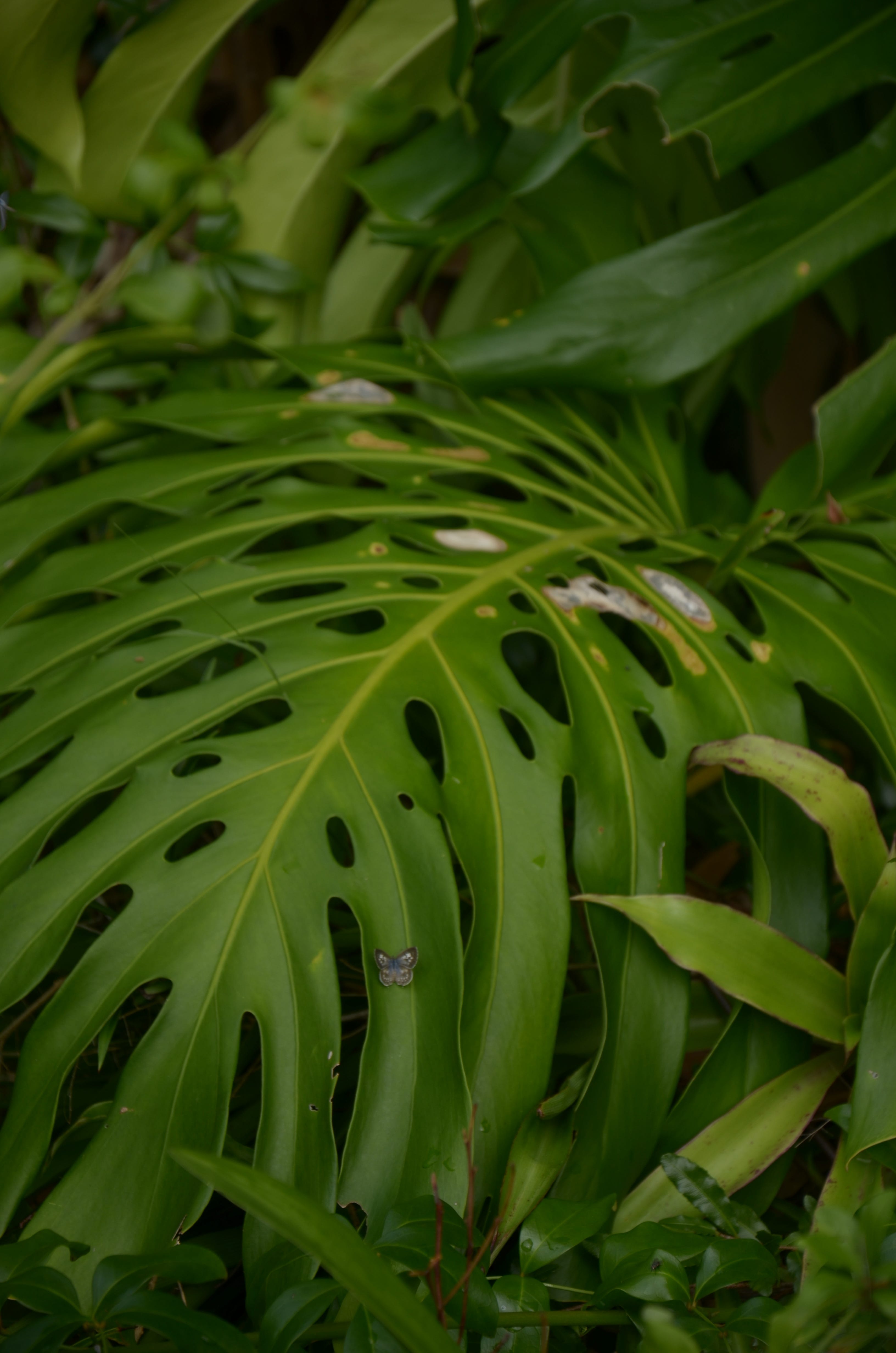
Bamboo rattled around the backyard. Ants sewed paths through leaf litter, or made thatch huts between glossy leaves. The caterpillar of an orchard swallowtail gobbles the leaves of a makrut lime: blotched brown and white, it seems to disguise itself as a dollop of birdshit, albeit one with thorns throughout.
Coming home from a long journey is an act that has many layers of meaning. To return on time – and not prematurely – is to prove the virtue of our plans. It shows that our ideas have come to fruition. Embarrassment has been averted; dreams are proven not to be delusions.
I suddenly remember arriving proudly at the front door of my mum’s home after many months away; now, I have a better understanding of the mixed feelings that came upon me when I noticed, above all else, how little had changed. There is the strange sense of being a square peg in a round hole.
But how much more appalling to come home and slot back into the same niche, to have never changed shaped at all?
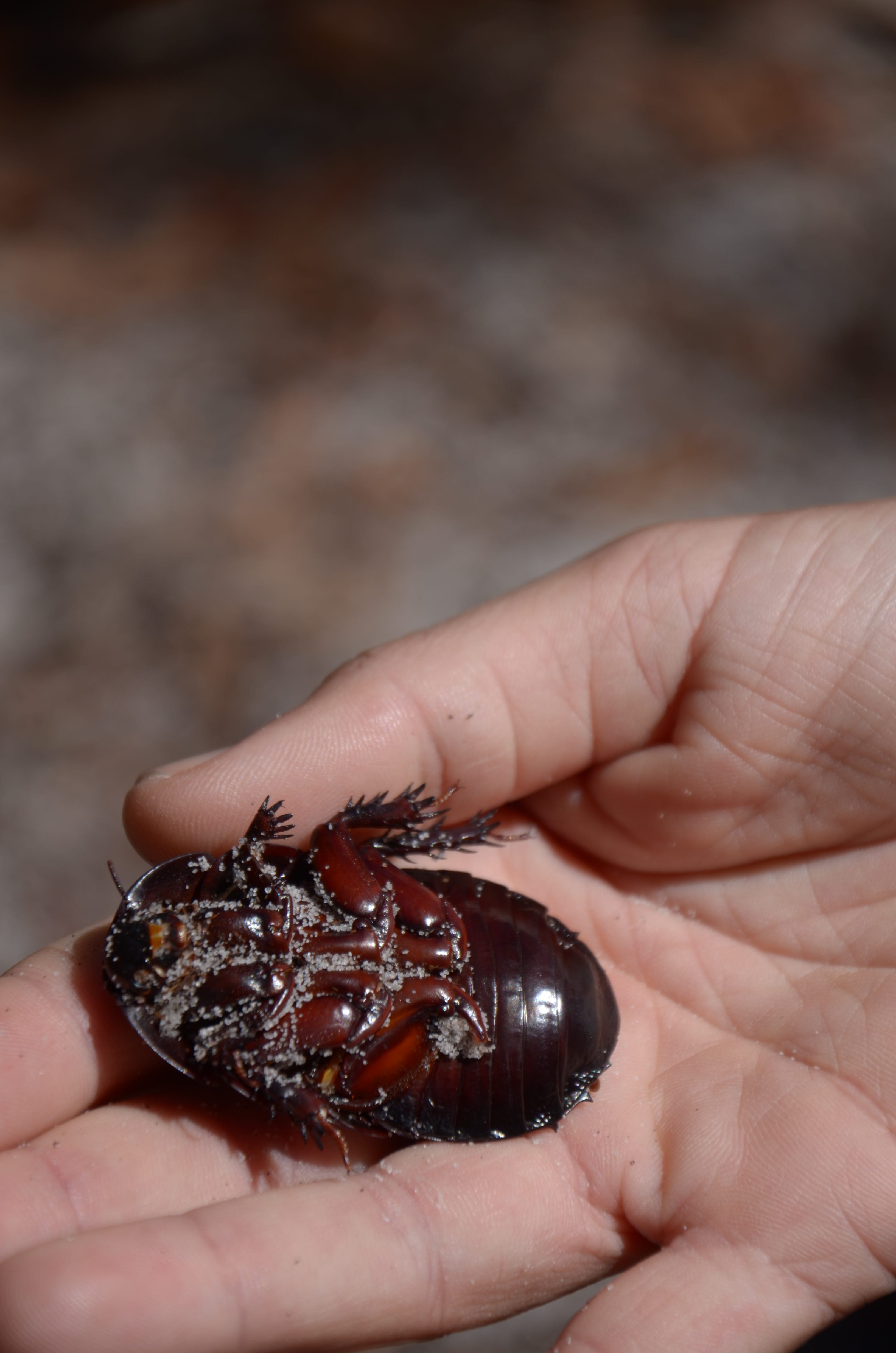
Her bare feet don’t miss a beat on the well-worn trails of the national park. I walk a pace behind her as the dusty pads form a lace that runs parallel to the coastline and into the hinterland. In such a fecund place, it’s easy to remember that these ways were walked by others long before.
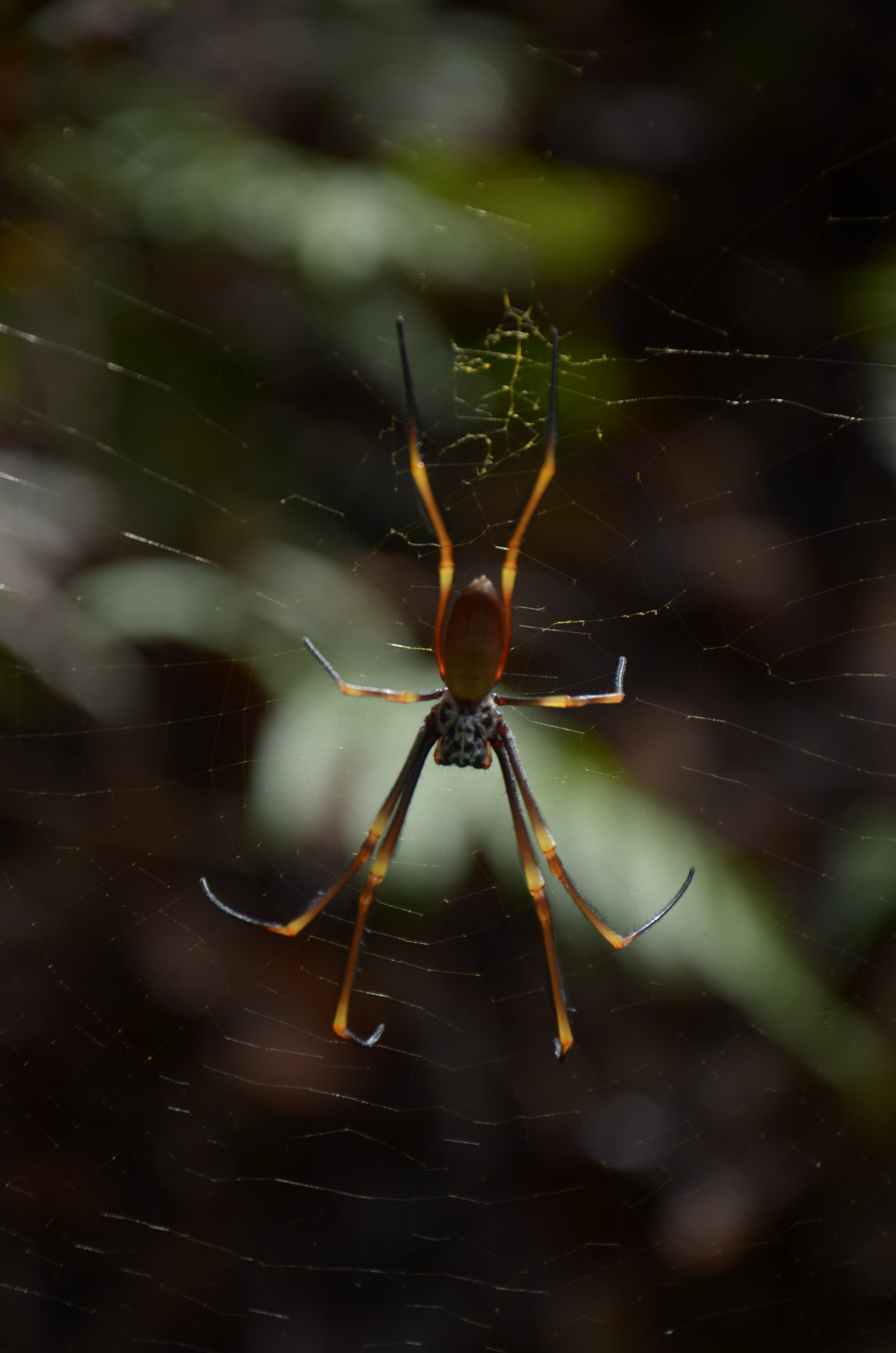
Anyone can be stunned with wonder here. Even the most novice naturalist will look up and gape at the giant golden orb spiders or epiphytic ferns arranged like fans or chandeliers. Perhaps the best approach is to be partly trained, an amateur, new to town: to begin to see connections between jack bean and butterfly, to peer through the branches at the profile of a drongo or a golden whistler.
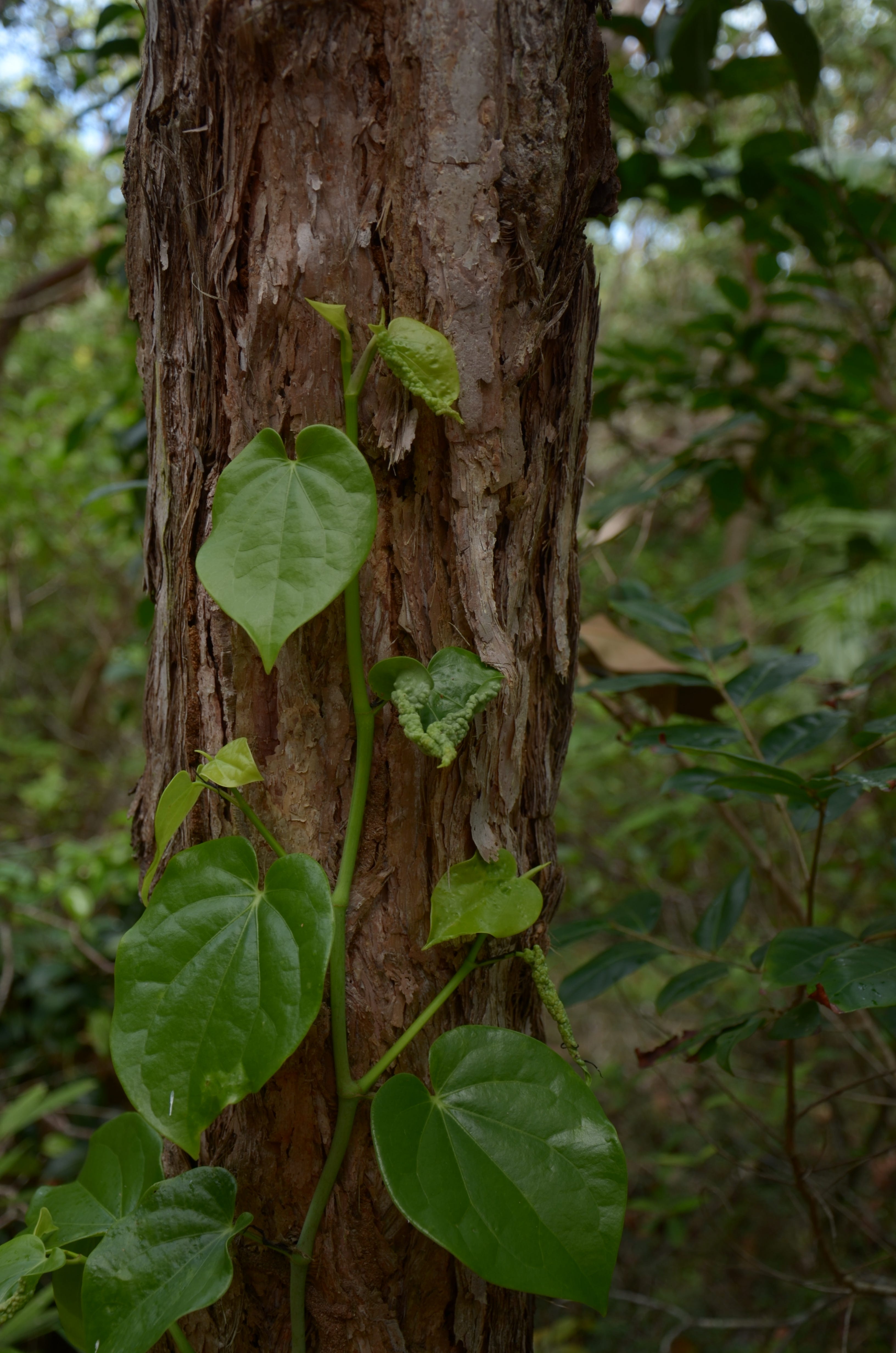
Dolly ants build thatch huts between the leathern surfaces of leaves. A vine is wrapped around a hefty tree trunk; seed pods dangle from it like the counterfeit coins on a belly dancer’s belt. She reaches into a bush and plucks out speckled berries, which taste faintly like musk.
The afternoon temperature has risen. We turn off the main track and onto a pad that leads through a grove of pandanus palms, silvery studded pylons supported by a cluster of struts, those roots that look like sweet potatoes. Dropped fronds, left to rot, are rank slippery beneath our feet, but then we are in a blue bay, on a beach made of rumbling cannonballs.
We skip upon the greasy granite, to the edge of a rock pool, a bowl lined with myriad corals, algae, whelks and chitins. Various fish species shiver and flash within it, their patterned bodies warped by effects on the surface of the liquid. The water is crystalline; if it has a tinge of any colour, it’s yellow. The secrets of the deep sea are here displayed as clearly as though through a window.
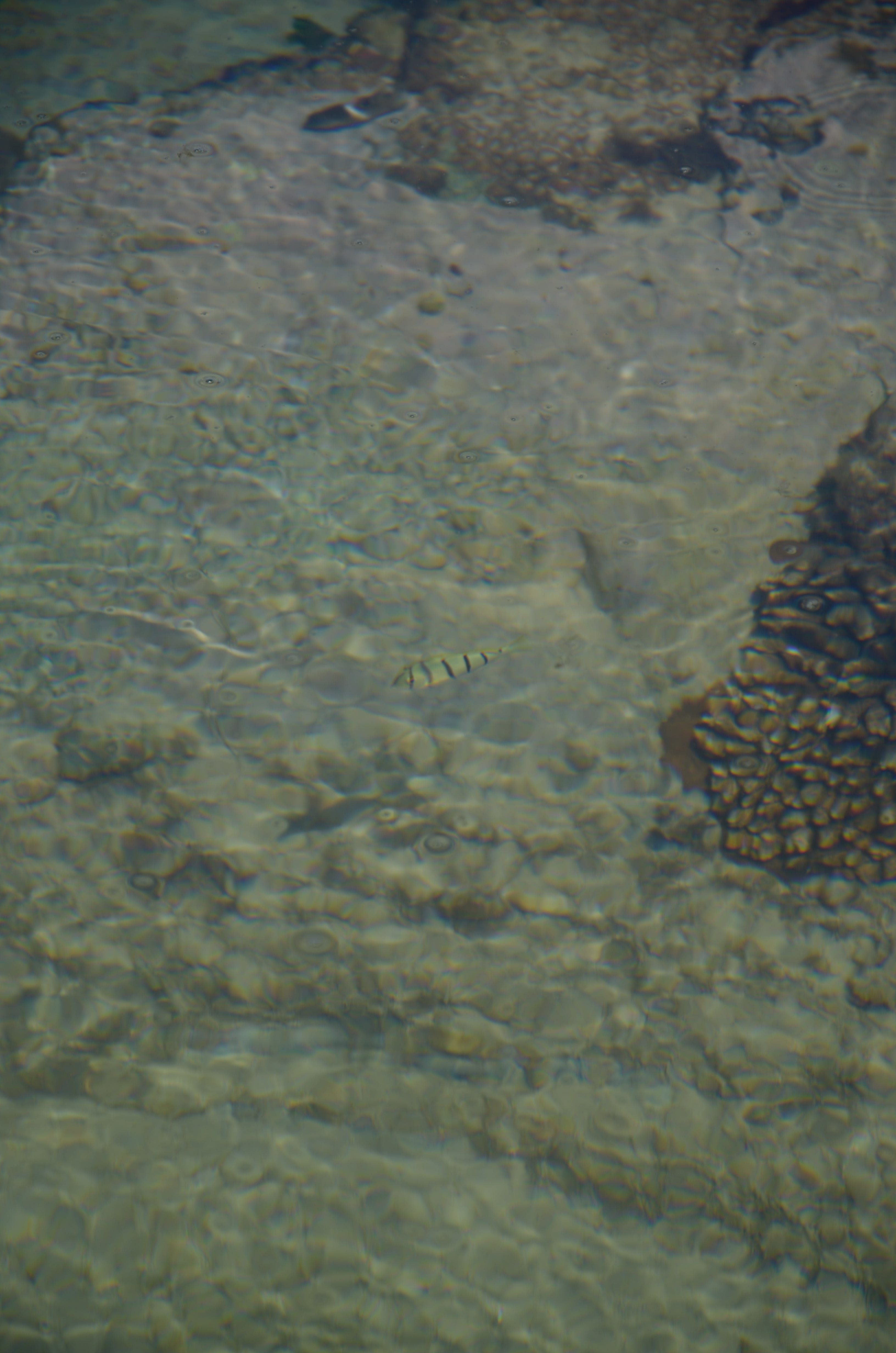
This cove is nicknamed paradise.
On a cliff face, someone has scrawled the words ‘Be Naked, Be Free’, though they are half washed away. I think again of the old people, prise off their homelands like molluscs, their cultures violently usurped with violence.
All beloved places accrue folklore; everywhere is touched by change, and in turn the stories told hinge on loss and are therefore elegies. I have heard, and therefore inherited, some of these yarns. I receive a hastened version of events, of how the fringe-dwellers found their perfect habitat just before the developers rocked up.
Later, I will be shown photographs, developed from film, of these beaches almost empty, in an era before so many humans swarmed every nook and crevice along the coast. Some of those who came here were castaways from the corrupt and stifling governance of Joh Bjelke-Petersen’s state government; little wonder it felt like paradise, simply to be out of reach. Those days are gone. New forms of greed loom over the coastal towns. I have seen its faces on corflute signs.
Yet there are still pockets where the itinerants can sleep in the dunes, just beyond the purview of the millionaires in their mansions. Some mornings, I see remnants of campfires. A sleeping-bag hangs over a branch, airing out, its owner somewhere unseen. The dog-walkers and surfers don’t seem to mind.
Sometimes the crashing waves of the Pacific Ocean drown out the worries of the world and seem to cleanse the mind.
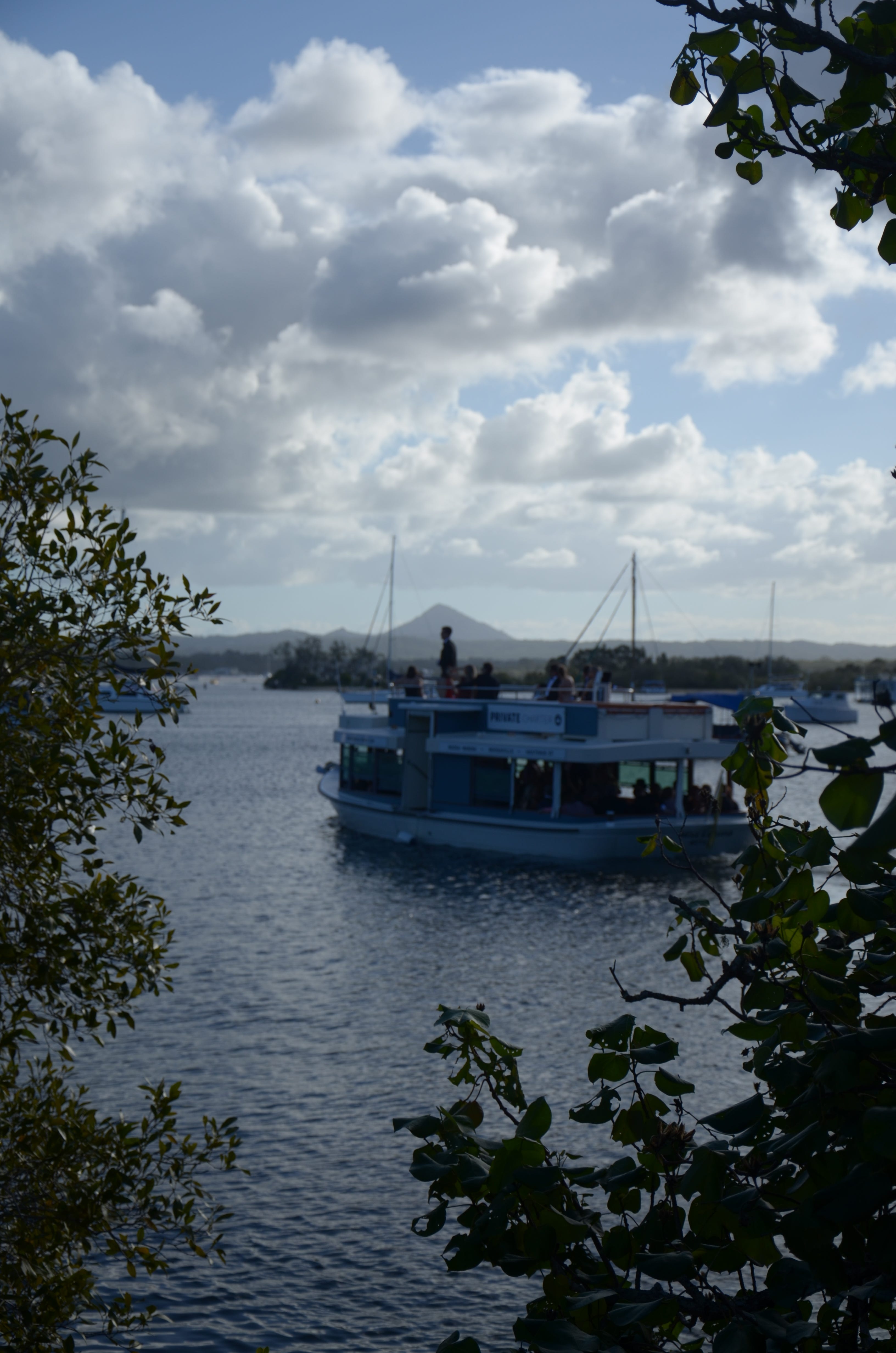
We are taken for a tour along the river. The captain of Miss Tewantin is a commentator; we hear narratives of the fortunes of the wealthy who dwell in houses along the waterfront. We scoff.
The skipper had already earned our ire by praising reclamation for real estate; he reckoned the developers did a better job than nature. History shows that, in fact, they trashed the beach and affected the river’s flow. There is only a small measure of satisfaction in knowing that those who gained from this hubris will soon have the high tide line lapping at their front doors.
I hear her tell stories under her breath. Here is where you’d throw out a shrimp net; here, kids jumped from the pier; along that path, she paraded in her roller-skates. On that patch of beach, she cut her foot on a piece of broken glass. You can still feel the scar.
Every imaginable form of water craft whizzes on the river, like so many aquatic insects. They sum up how many lifestyles you might adopt in such a habitat. The child or adolescent looking around has a surplus of role models, different lives adapted to the same place.
Where I grew up, the contrasts were less intense. I hardly encountered anyone with wealth. A person born on the wrong street here may well feel frustration, melancholy, regret. We watch a well-dressed wedding party embark another vessel to cruise downstream, hoping to be mistaken for the upper crust. They have their own personal saxophonist, a man in a pink jacket who plays along to pre-recorded beats blaring through a loudspeaker.
It is easier to say it from this vantage point: their route is not one that she would like to have taken. Rare are the moments when it’s portrayed so clearly. But who would swap money for reality — the gifts of grit, salt, colour, corals, insects?
She wakes at the crack of dawn as the familiar birds make a racket just outside the window: the wattlebirds; rising flocks of lorikeets and rosellas; the currawongs that sing in falsetto. The butcher birds try to set a sentimental soundtrack: they play saccharine ballads, one solemn note at a time, on what sounds like a violin in need of a fresh coat of resin. You can imagine the tilted bow, scraping against rusted strings.
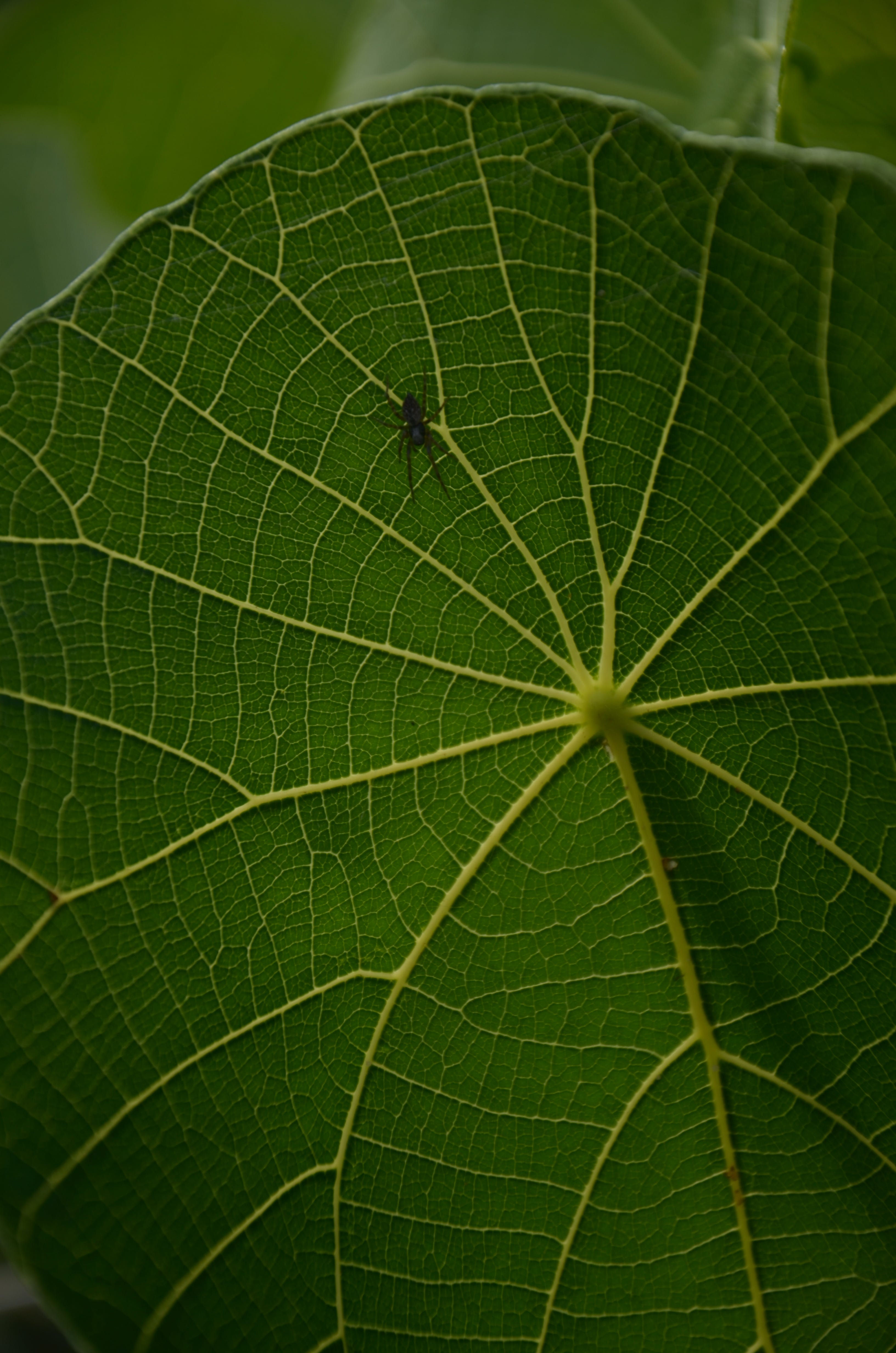
Having borrowed its sheen from the glossy leaves and fronds that surround the house, the light that angles through the flyscreen is green. She lays a sarong on the grass and eats her breakfast there, looking up at the vines scrambling urgently up the walls, corners clogged with spiders’ webs, ants and flies that busy themselves feeding from the juices produced all around her.
She imagines her childhood home returning to the earth, chewed like citrus leaves by a spiky caterpillar. Memory might feed the sandy soils from which so much vegetative life now springs.
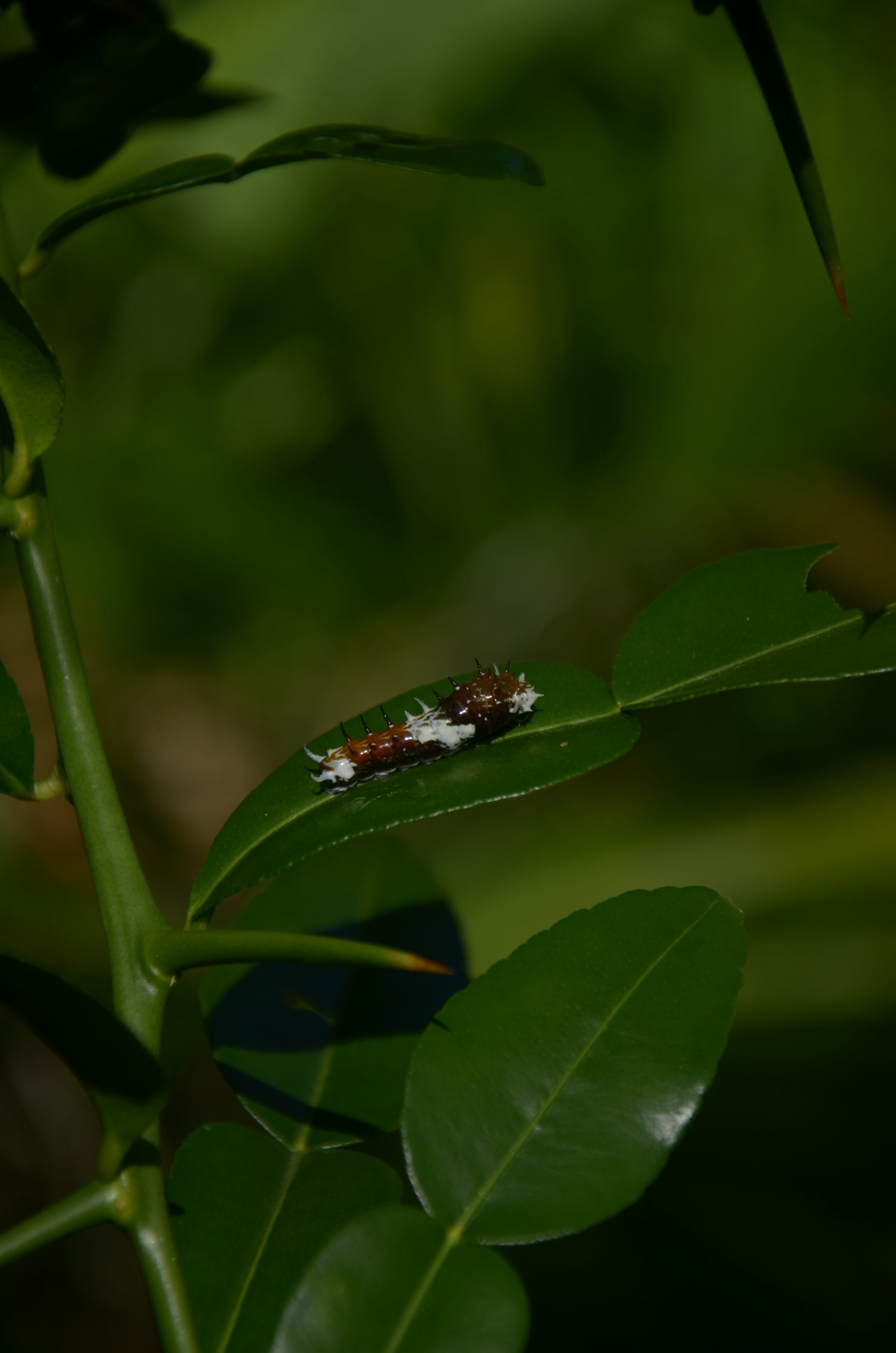
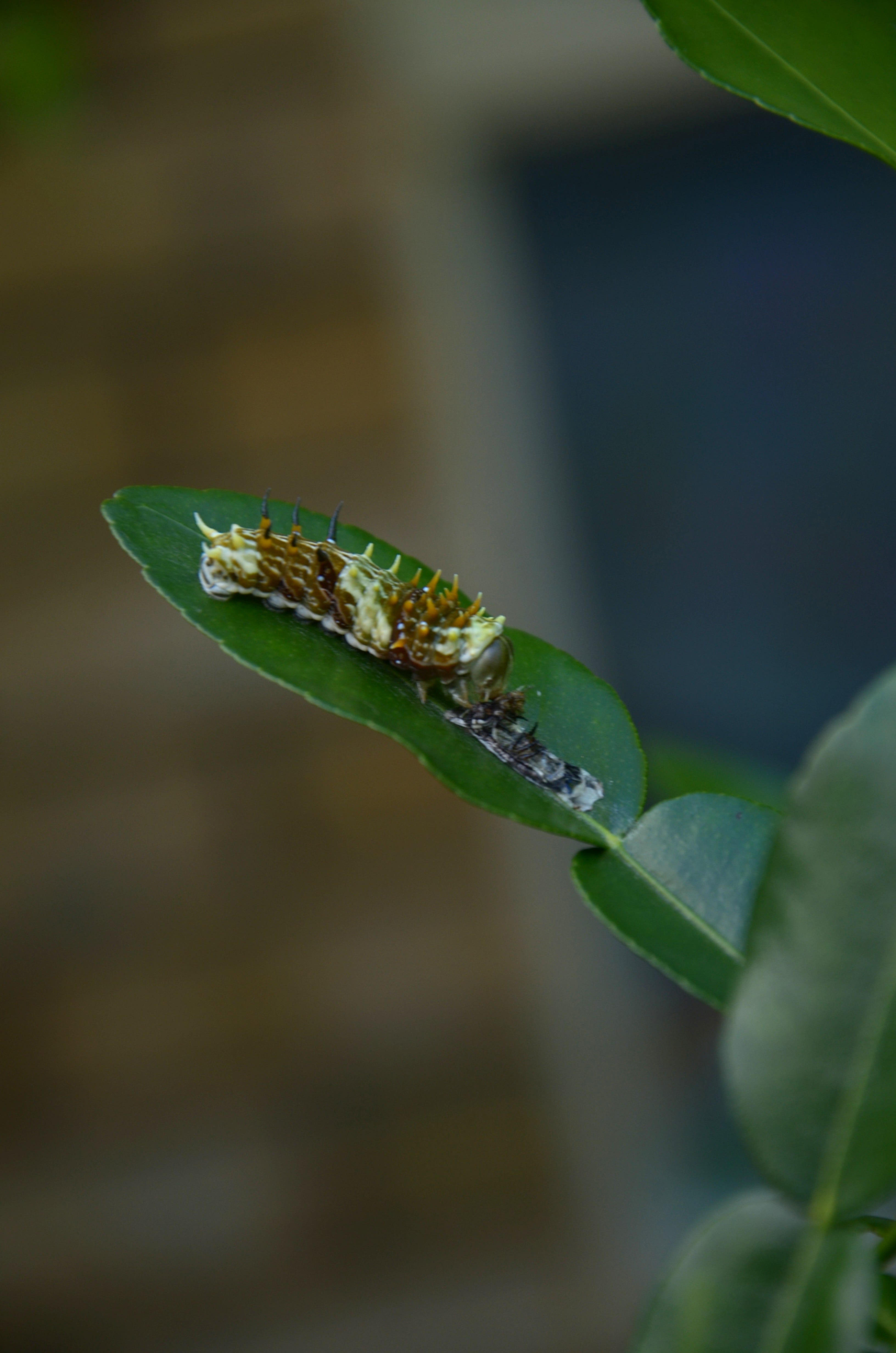
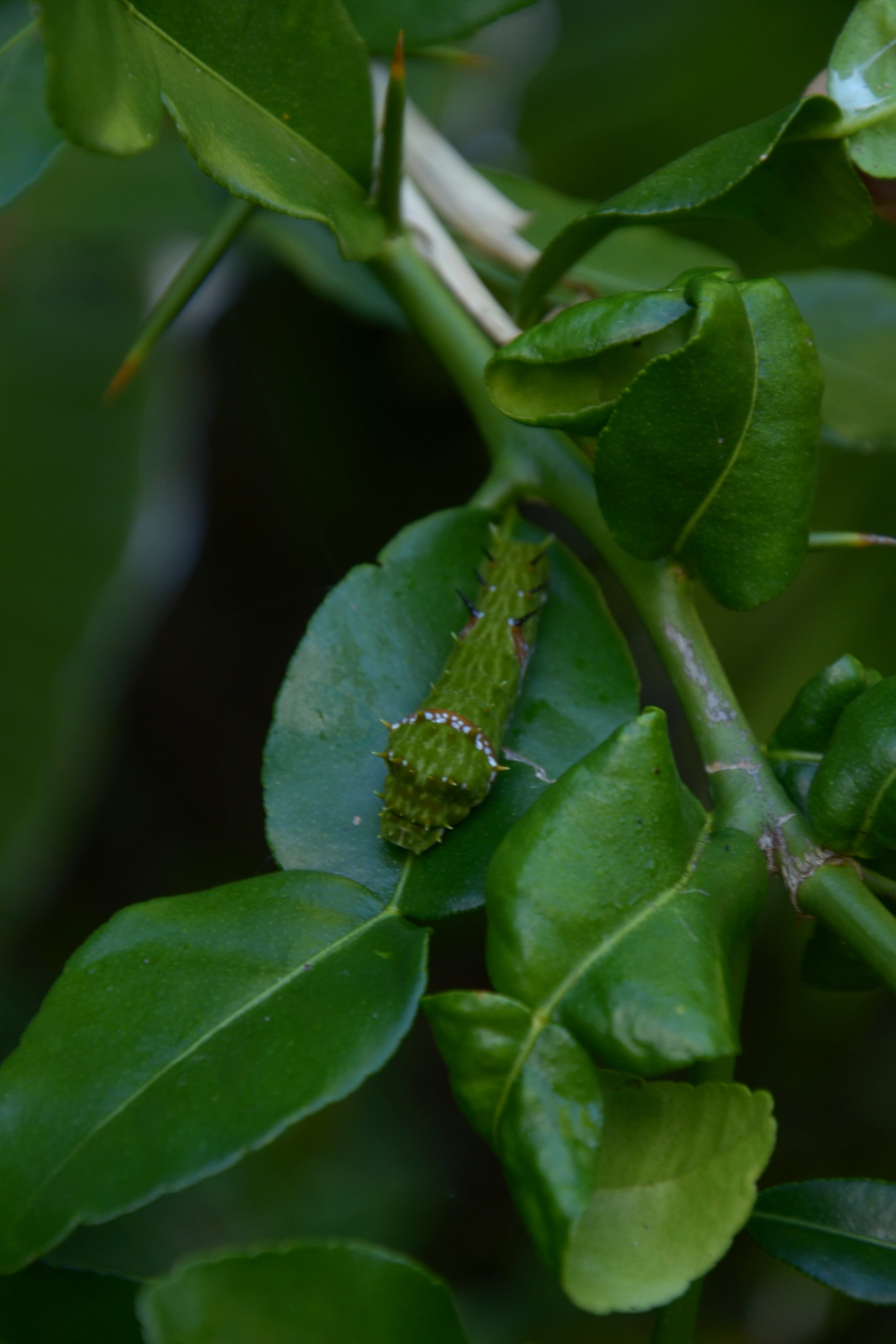
A couple days later, the caterpillar on the makrut lime has sloughed its old form. It has turned bright green and doubled in size. In doing so, it devoured the remnants of the bag of skin it once occupied.
A surreal masterpiece.
Wow! Those words…. 👍