
West Coast Roads

I once skidded into a ditch along the road that leads to Trial Harbour. I had been distracted by the aluminium carton of potato bake, bought from a takeaway store’s bain marie, that was wedged between my legs in such a way that the heat burnt the insides of my thighs.
The car jolted, bounced and thudded to a halt, but the motor kept on running, all four wheels were on the ground, and the potato bake was still intact. I took a deep breath, drove down the switchbacks to the beach, and staked out my campsite.
I had been late to get my drivers’ license, but I was a young man still. As soon as I got my ticket I took off and without any further planning, I drove a lap around the island, circumnavigated it in an old car that I would later immortalise in verse – though nothing could keep it functioning in reality.
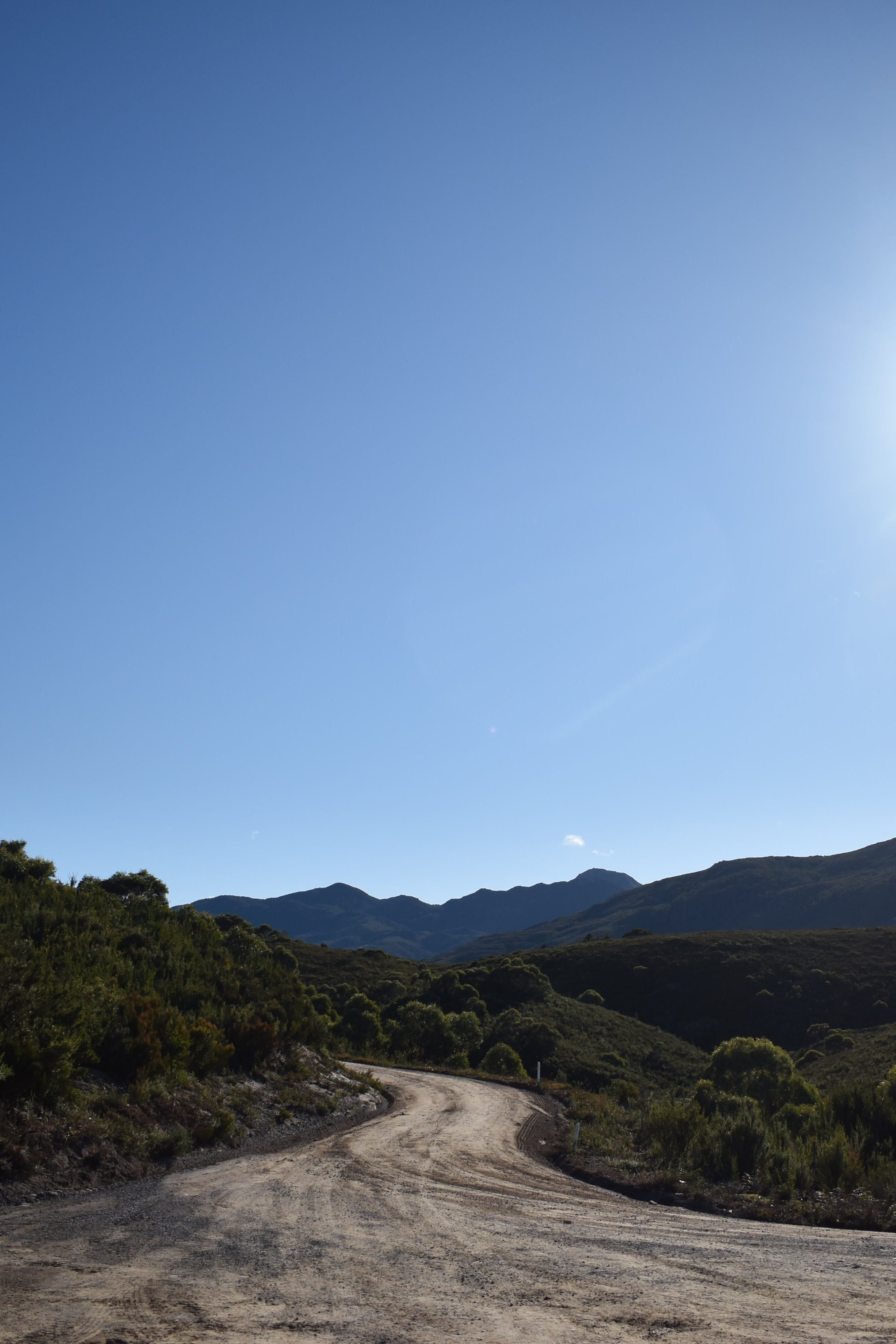
On that first journey, now many years ago, I’d gone just beyond the headwaters of the Derwent River – which for many people demarcates the beginnings of the west – when snow began to scour my windshield. I could not have hoped for more. Likewise, when I reached Queenstown and its colourful mountains were instantaneously blotted out with rain that materialised as a grey slab, it was what I had come west for.
I had studied the region from afar and so came forewarned by the journals of prospectors, track-cutters and cartographers of the previous two centuries earlier. For decades, the west was little-known amongst the colonists, poorly surveyors and approached only with trepidation. They were so fond of it that across this large blank patch on their maps they penned the word ‘TRANSYLVANIA’.
It was also fitting that somewhere on my route into Transylvania, my muffler was prised loose and was dangling off the arse of my battered old car by the time I rolled into Queenstown. Never mind: the mechanic there told me that it should stay more or less attached till I got home. (He didn’t know that I would do several hundred kilometres of additional driving in detours, but he was right.)
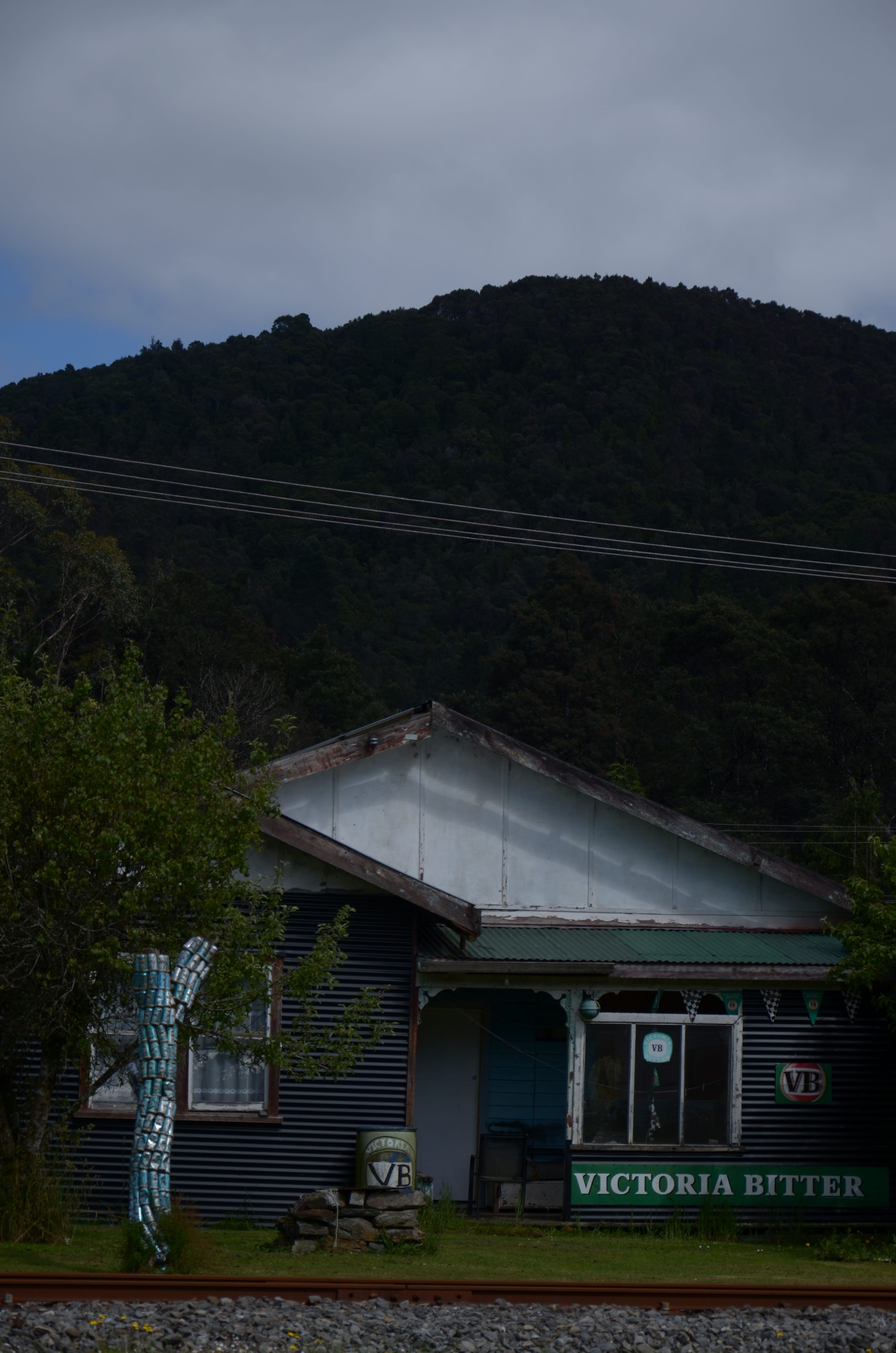
I have returned to western Tasmania countless times since then, in a succession of sketchy cars.
It may surprise tourists that the main roads through such sparsely populated districts are in such good nick. The towns of the west are centred around mining, however, and there are often funds to spare for such places.
I love to glide on the Murchison Highway in late spring or early summer, as the myrtles’ fresh growth makes a garden archway of pink leaves and white flowers climb up the satinwood trees like a plague of moths. And I am fond of the townships, where any number of strange encounters might occur: I will have to tell you, sometime, about a winter’s night in Tullah, or else of how I was almost killed by a stray flare in Strahan, or of the hitch-hiker I picked up and subsequently took on a hike to a height of 1278 metres above sea level.
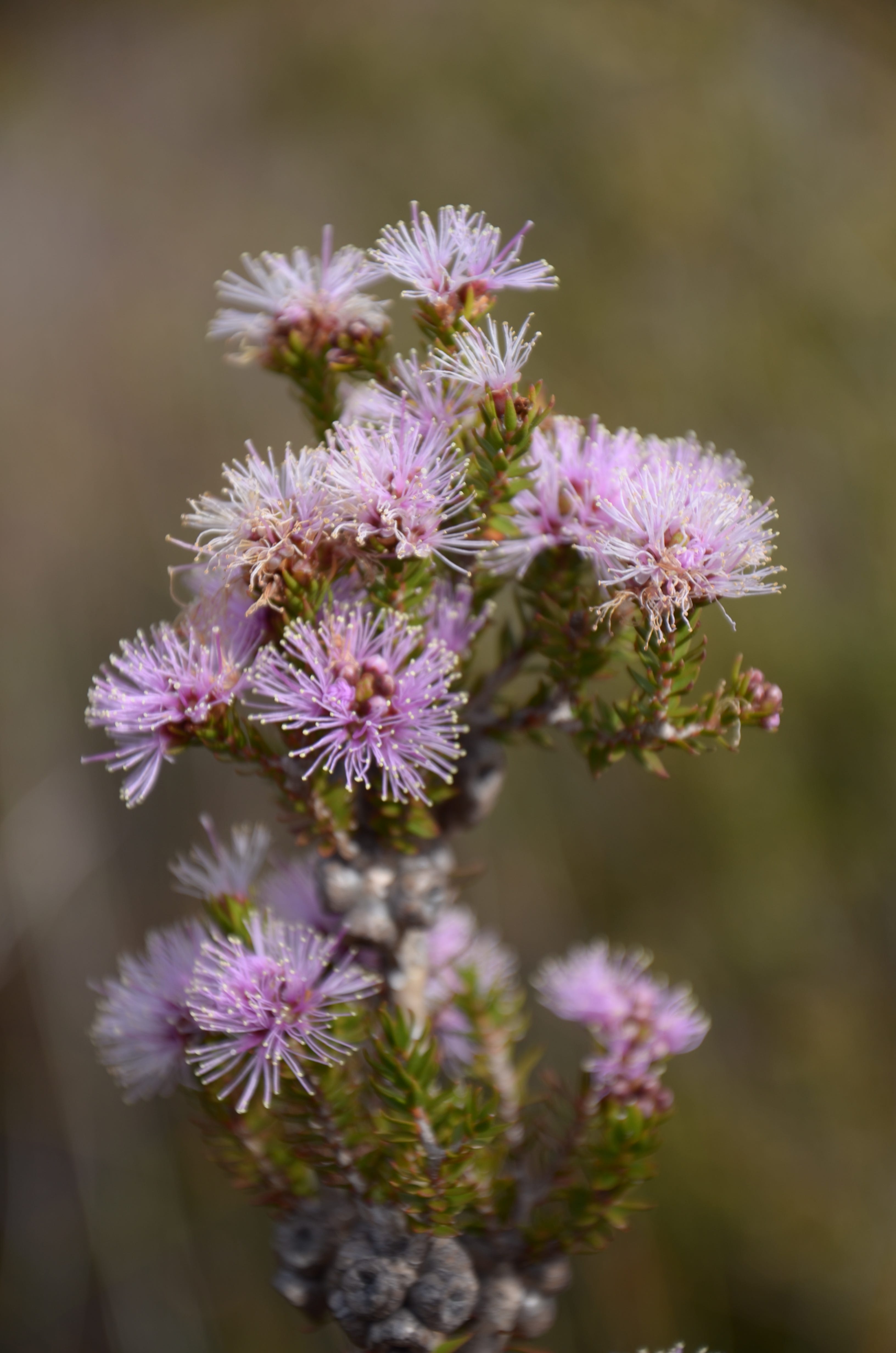
I am always looking for the spur roads, the secret, rutted tracks that lead to beauty spots, the plains hidden by screens of heath, the rainforest nestled in beneath the innumerable, incongruous mountains. For though the history and human folklore in western Tasmania is what first offered me an excuse to travel there, I was drawn to that far-flung coast – long before I really understood the fascination – by the rare wonders of flora and geology that truly make my home island’s western hemisphere like nowhere else on Earth.
Those you meet on the west coast roads are usually keen to remain aloof. They will chat in passing and then take off. Often, these people who have a strange, indirect path to the western towns, perhaps for reasons they will never divulge, opting for a remote abode, putting down roots – as the bushes do – in tart soil, fully exposed to the elements.
Perhaps my third or fourth western journey was a magazine commission, to write about an unusual logging operation where drowned timber was cut, underwater, in a hydro dam. I went to the Top Pub in Rosebery to ask about how to access to the dam. “Argent Track?” a bloke sputtered. “No-one’s been up there but woodhookers, for years!”
I sipped my ten-ounce, fairly certain he was wrong, and kept listening.
“I can tell you a story about a silly bugger who you used to run to Tullah of a night after he’d knocked off from the zinc mine,” he went on. This is a distance of about 15 kilometres, over a ridge, with a rather steep up and down. “Goin’ to meet a sheila,” he added, with no hint of a smile. Even so, I waited for a punchline.
“That was me parents,” he said.
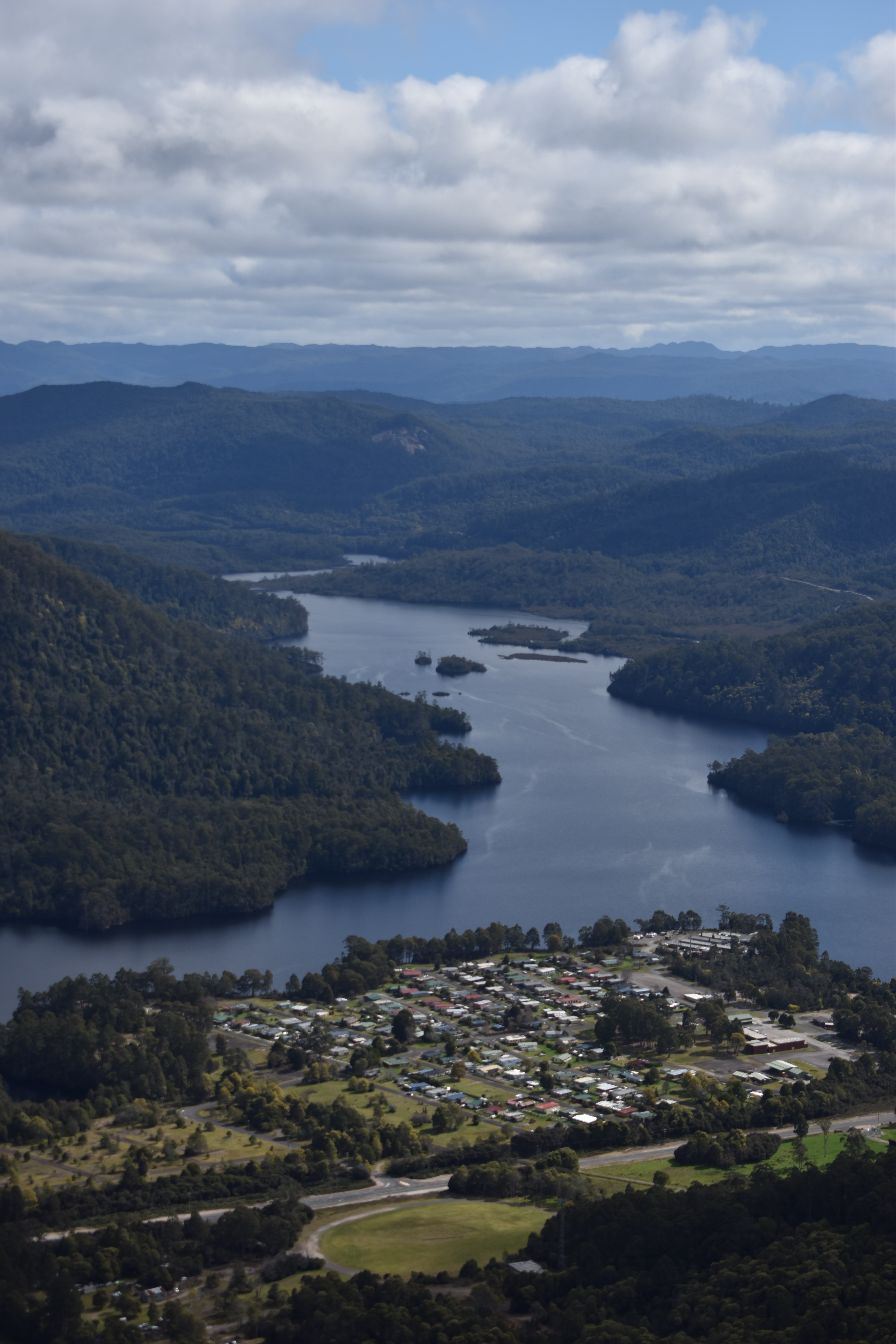
Two other treasures that have been found in western Tasmania for at least two centuries are distance and solitude. Unbothered, unobserved and undisturbed, you make your own decisions – they affect you and generally, nobody else. I cannot tell you how much it meant to escape the town’s judgemental gaze, to find myself far from advertising or any other suggestions of how you ought to live.
For instance: when I swerved into the ditch, there was no voice of recrimination. The old car bounced on and kept going, cruising downhill to the beach, where the ocean’s epic ballad sung me to sleep.
I was slow to take agency for myself, to choose the life that I wanted. Later than most I got my drivers’ license because I recognised, slower than anyone I knew, that you could actually put your mitts onto your existence and begin to mould it into something that suits you better. If I were to educate anyone, this would be the first lesson I would give – and yet I don’t regret how tardily I figured this out for myself, even though it meant that for the entirety of my twenties I had to work myself out of a caul of embarrassment.
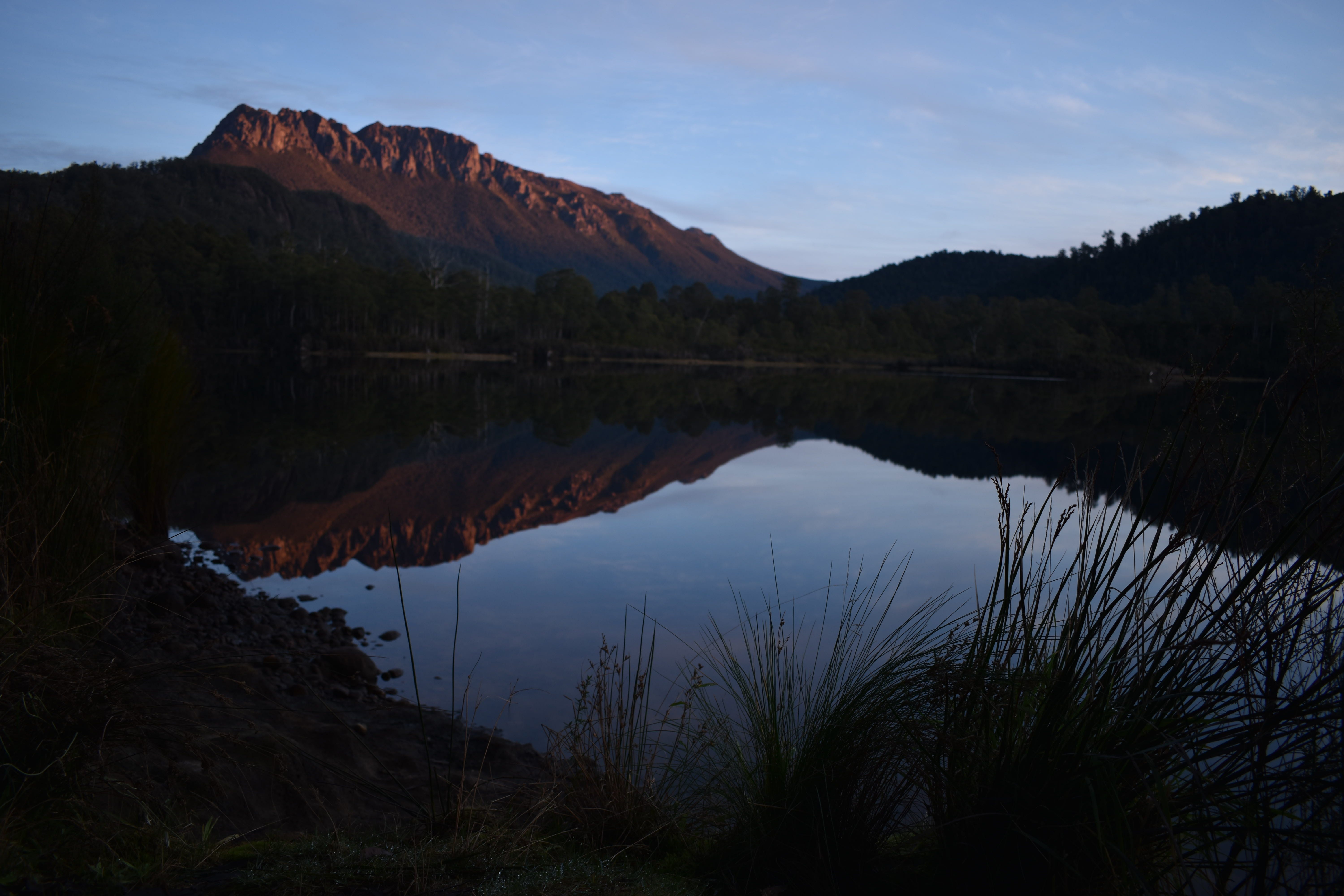
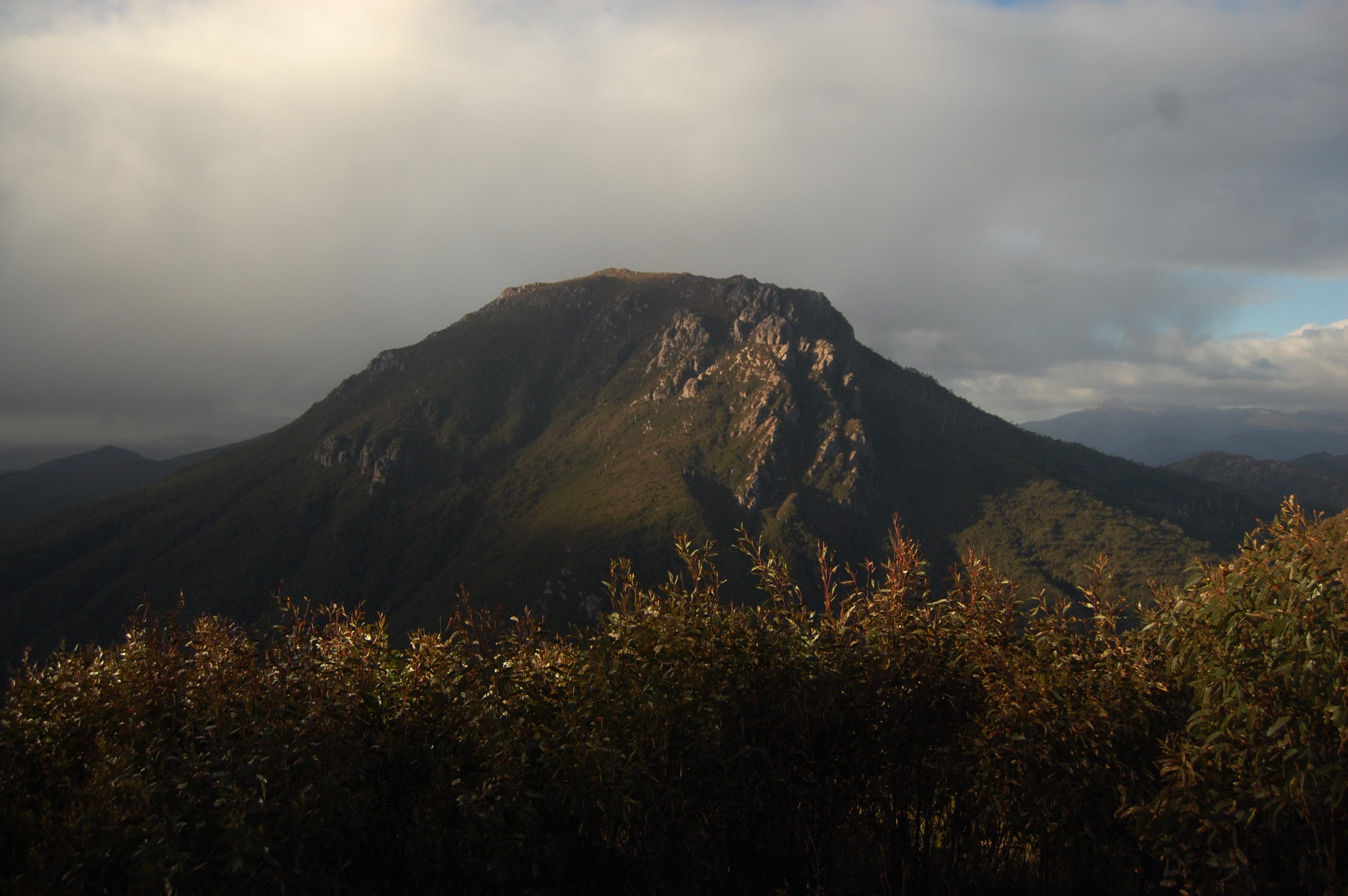
I spent years sitting in Launceston share-houses, chomping at the bit, frustrated to the point of explosion, knowing that something special was nearby but still beyond my reach. Hence why I sprinted, heedlessly and without regard for peril, on a loop of the island – more than a thousand kilometres of driving over the course of a month, with balding tyres and a busted muffler – and then for years afterwards, kept returning to the vast expanses of the west, to which my solitary pursuits and my idiosyncratic personality seemed so well-suited.
I suspect delayed gratification means that I will never take the western roads for granted. No matter how many times I drive that way, I am embraced by the same sensations that seized me as a young man. Just as a few lucky prospectors struck riches, having slogged through the tough western scrub and against the odds discovered seams of tin or copper, here is where I came upon a lode of liberty.
I chop more off that big block on every road trip and I haven’t exhausted the resource just yet.
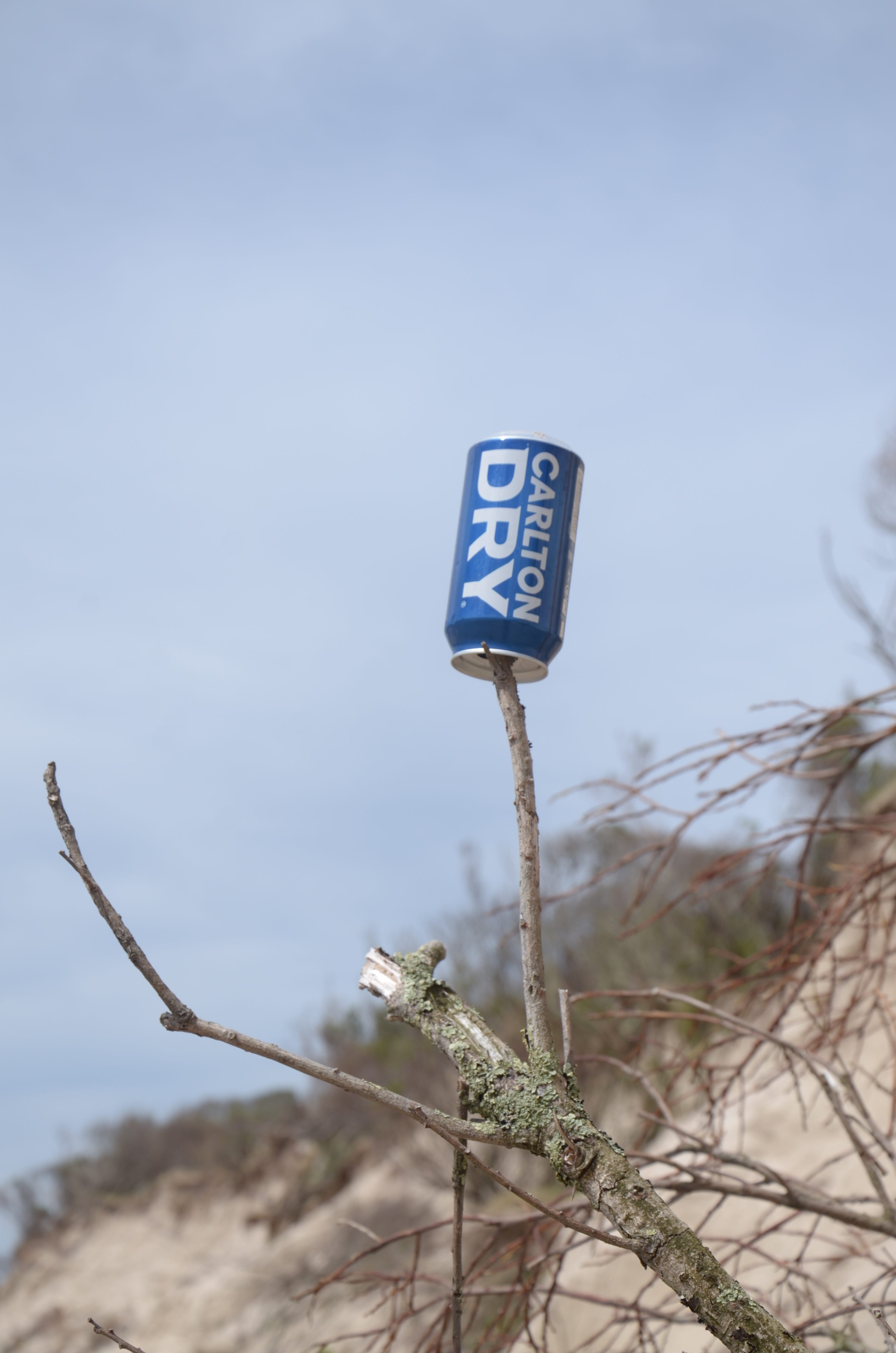
The other day, at a picnic area, I found a slim log of pinewood with the words ‘driven past’ written on it with a plain pen. I liked the thought of this as a primitive message board, a conversation between friends. It is sparse prose but resonant with stories.
Perhaps it is the scale of it all that is most freeing: so few humans, so much room for the whim of other creatures and conditions. It is country in which a person might stretch out, but it is also a place to let other phenomena do their work: the wind, the rain, the heath scrub, the hidden birds.
We got out of the car the other day (as you ought to, at every possible interval on a road trip out west) on the highway between Queenie and Tullah. There is a boulder there, a conglomerate erratic – a knobbly glacier-flicked marble – with a plaque embedded into it to prove that it is special.
Stepped out to have a squiz, a shadow fluttered above our heads. It belonged to that sweet green butterfly called Macleay’s swallowtail. A fleeting thing crossing paths with a piece of near-permanent material: a meeting of two timescales on the side of a west coast road.
And to you, for whom life has long seemed misshapen, who is harried and worried by the world, who holds a great and raging fear like an Indian Ocean squall and who wears a heavy coat of shame, the seams well beeswaxed – may you know the same exhilaration as I met with on the roads that wind through the western hills.
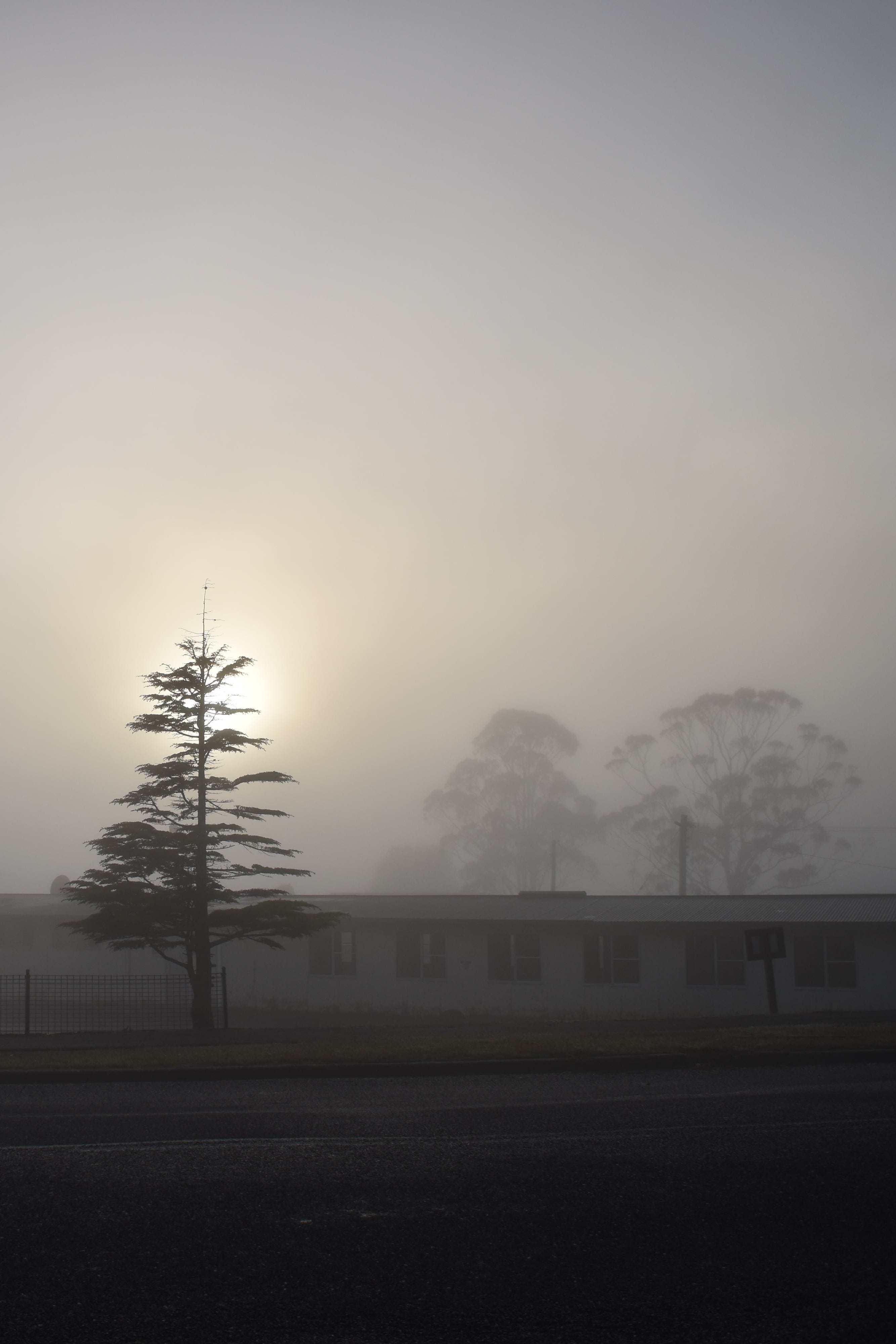
Peer through fog and you’ll see the bright petals of blossoms in the swamp; wait till the rain clears, and you will see that multi-coloured mountains surround you, and to climb towards their highest crannies is easier than it looks.
'Perhaps it is the scale of it all that is most freeing: so few humans, so much room for the whim of other creatures and conditions.'
Indeed Bert, that is why I am drawn to Tullah and beyond, to Transylvania. And why I will have come back one day, albeit in a less risky vehicle than yours have been! Thanks for sharing the trips.
Brilliant piece! The way freedom manifests through landscape really comes throgh here. I had a similiar experience once when a road trip turned into something bigger than just getting from A to B, kinda felt like the car troubles were part of unlocking something. The detail about driving with that busted muffler but pressing on anyway says a lot about commiting to these momentsof discovery.